
Gasoline and Diesel are Expensive in Moose Jaw – Some Thoughts
By Richard Dowson Opinion/Commentary
Canada is self-sufficient in Crude Oil. Canada’s Athabasca Oil Sands Deposit at Fort McMurray is the third largest proven Crude Oil deposit in the World! It produces 96% of all Canadian Crude Oil.
The Regina Co-op Refinery is just down the highway from Moose Jaw. It refines a huge amount of oil every day. With all our resources, why are prices for gasoline and diesel so high?
Because Crude Oil is priced in United States Dollars! Petro-dollars!
Here’s my simple explanation. It’s much more complicated – this is a basics interpretation.
Canada, like many Oil Producing countries, buys and sells Crude Oil in United States Dollars. Commodity exchanges like the New York Mercantile Exchange (NYMEX) set the price of Crude Oil in Unted States Dollars (USD), also called Petrodollars, based on supply and demand.
Canadian Refiners, like the Co-Op Refinery in Regina, must buy Canadian Crude in U.S. Dollars (USD) even if the oil is pumped out of the ground 100 Kilometers away.
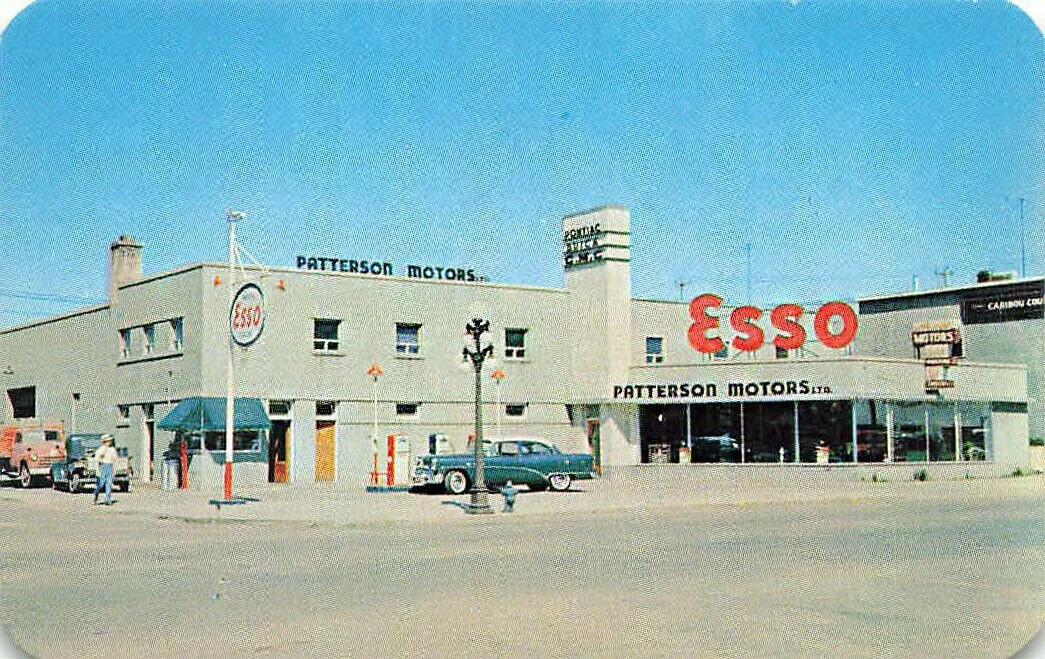
The former Moose Jaw Patterson Motors gas station - unknown photographer
How Oil Came to be Priced in U.S. Dollars – The 1970s
The United States went off the gold standard in 1971. The United States dollar was no longer backed by gold reserves. Then there were Wars in the Middle East through the early 1970s. The supply of oil from the Persian Gulf was erratic. The world experienced a massive Energy Crisis.
Saudi Arabia was the largest producer of oil. The United States imported huge amounts of Saudi crude oil in those days.
The world and the U.S. needed a stable oil market. To solve the problem the U.S. Secretary of State Henry Kissinger met with Saudi Prince Fahd bin Abdulaziz Al Saud in June 1974. They signed the Petrodollar Agreement. Crude Oil would be priced and sold in United States Dollars. It stayed that way for the next 50-years.
Countries had to hold reserves of Petrodollars to buy oil. They usually ‘parked’ the excess petrodollars in interest paying American Treasury Bills until needed.
Oil producing countries ‘parked’ their excess petrodollar profit in interest paying U.S. Debt.
The price of Oil fluctuates.
‘Commodities’, like oil are priced on the Futures Markets, usually the NYMEX, based on supply and demand and sold as ‘futures contracts’ for later delivery. When supply is restricted, like with Iran; the closure of the Straits of Hormuz War and Persian Gulf turmoil, demand is high. The price for oil is ‘bid-up’, just like what happens at an auction sale.
Petrodollars and the United States – The Future
The Petrodollar system worked well for 50-years. Excess petrodollars invested in the United States kept U.S. Debt interest rates low. American got loans at low interest rates. The United States ran huge deficits thanks to low interest rates paid on petrodollar investments.
The Petrodollar deal with Saudi Arabia expired on June 9, 2024. It has not been renewed.
Crude is still sold in Petrodollars, but also in Euros and Chinese Yuan.
Oil bought with Euros and Yuan means a decline in the need for petrodollars.
The result will be fewer petrodollars invested in U.S. debt.
U.S. interest rates will rise to attract Petrodollars. That causes inflation.
Iran sells its oil in Euros, Crypto and Chinese Yuan. Will there be a ‘petro-yuan’? Interesting!
Summary
The story of Petrodollars and the International Monetary System is much, much more complex.
In the end, the high cost of gasoline and diesel in Moose Jaw is because Canada must buy and sell Crude Oil in United States Dollars (Petrodollars).
Canada has no control over the price of Crude.
As noted, price is set at the NYMEX based on supply and demand. Today the supply of Oil from the Persian Gulf is limited or sporadic. The price of Crude Oil will stay high until problems in the Middle East are sorted out.
Un-reviewed Problem: Why is Canadian Gasoline and Diesel more expensive than the same fuels in the United States? Good Question! Economies of scale? For another time.
Writer Richard Dowson is a retired educator.
He is known for his frequenting local coffee shops and other places seniors gather.
In a previous life he wrote comedy for CHED in Edmonton.
His views may or may not reflect the views of this publication.
EDITOR’s NOTE - Why is Canadian Gasoline and Diesel more expensive than the same fuels in the United States?
Ummm Maybe Taxes???