
Keep The Snowbirds Flying - Part II
By Richard Dowson
Trivia – What was the first Advanced Jet Trainer used by the RCAF?
The RCAF T-33 Silver Star – which was replaced by the Canadair CT-114 Tutor.
Background
The RCAF and Canadian Military faced a serious threat with the Korean War (25 June 1950 – 27 July 1953).
Starting in 1950 all recruitment was up. Former RCAF pilots were asked to return on temporary commissions to train new pilots.
The primary trainer in 1950 was still the old North American Harvard Trainer, that same as was used in WW II.
An advanced jet trainer was needed.
In 1951 the RCAF ordered 30 ‘Canadian Versions’ of the Lockheed T-33.
The Canadian version used the more powerful Rolls-Royce Nene 10 engine, the most powerful at the time. Like all Rolls-Royce engines of the time, it was named after the Nene River in the UK.
The Russians got a hold of the engine, modified it and used it in their MIG-15.
Pratt and Witney were licenced to build the engine in the United States.
The Canadian built T-33 version was the Canadair T-33AN.
It was manufactured in Montreal and delivered in October 1952.
The Canadian name for the advanced jet trainer aircraft became the T-33 Silver Star. It remained the main trainer from the 1950s to the mid-1960s when it was slowly replaced by the Canadair CT-114 Tutor.
A single T-33 became the first RCAF air Demonstration Team aircraft.
It performed at airshows from the 1950s to the 1960s as the Red Knight until the Red Knight was replaced by a Canadair CT-114 Tutor Red Knight.
The RCAF T-33 Silver Star seemed to fly on forever. In March 2005 the last flying RCAF T-33 was retired at CFB Cold Lake.
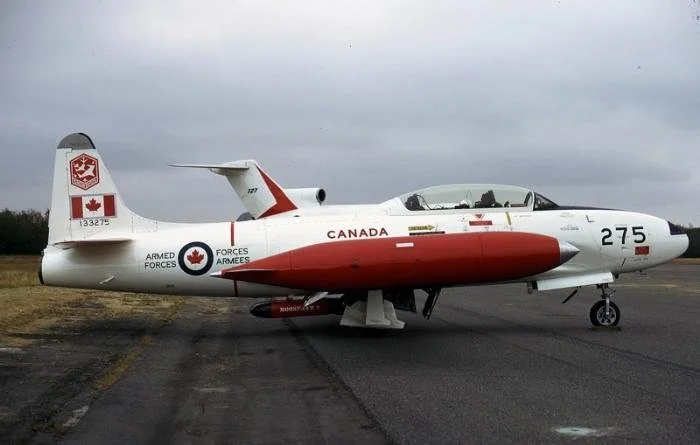
Source: Canadian Warplane Heritage Museum – T-33 Silver Star Snowbirds support aircraft in Snowbird colours.
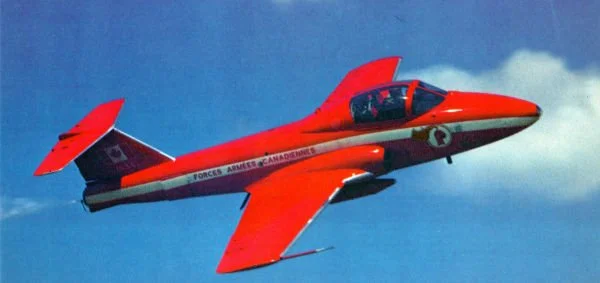
Credit: The Red Knight.ca – the Red Knight flying the Canadair CT-114 Tutor
Moose Jaw Pilot’s Memories of the T-33 Silver Star
Captain Al Seward (Retired), who passed away several years ago talked about being a flying instructor on the T-33 at Gimli, Manitoba.
He loved the aircraft. It was quiet and easy to handle. He told me his greatest pleasure was the “fly the contours of the clouds” in a T-33.
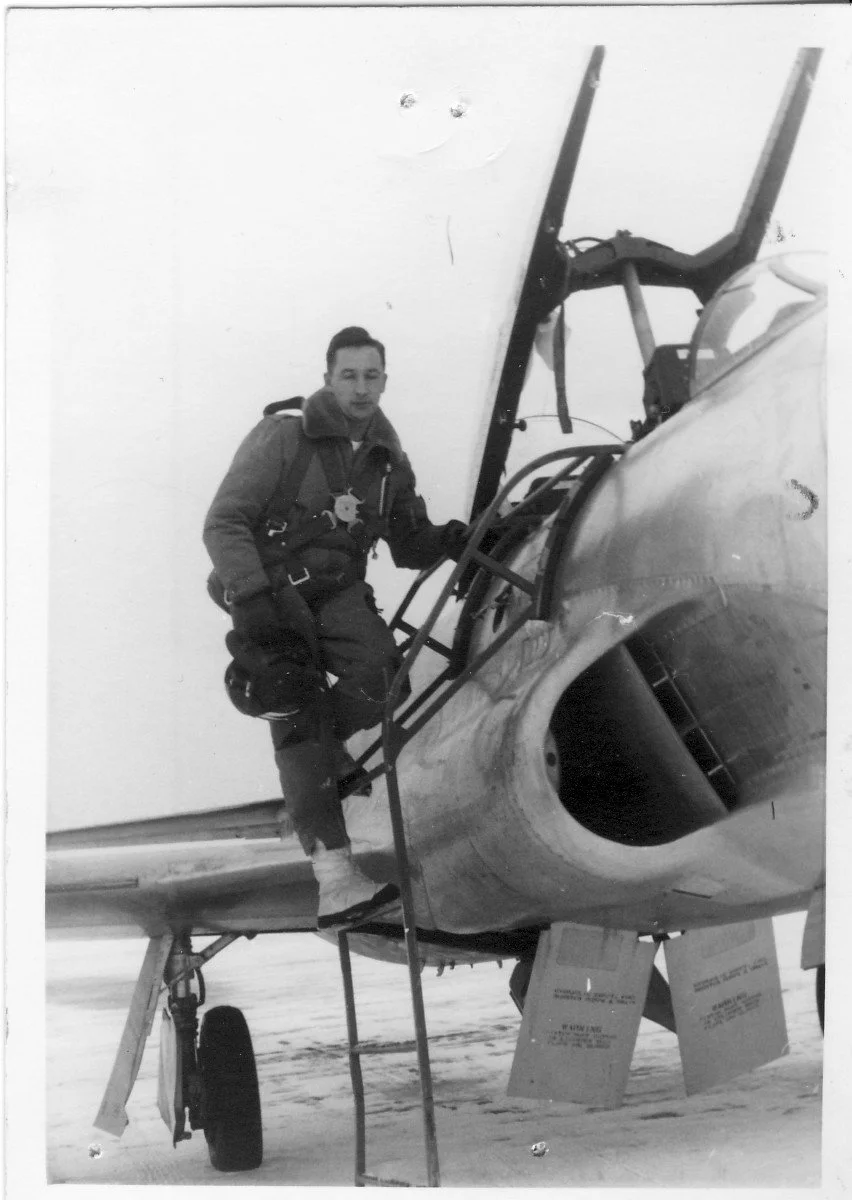
Flying Instructor, Captain Al Seward, climbing out of a T-33, 1954 at Gimli, Manitoba
Reference: Form more information about Canadian Warplanes, check out:
Aircraft Details | Canadian Warplane Heritage Museum
Writer Richard Dowson is a retired educator.
He is known for his frequenting local coffee shops and other places seniors gather.
He is out living the life and helping solve the world’s problems so to speak.
In a previous life he wrote comedy for CHED in Edmonton.
His views may or may not reflect the views of this publication.