RCAF Pilot Training Now And Then
By Richard Dowson, Moose Jaw
On Monday, April 20, 2026, the first new Basic Flying Training aircraft, the CT-102B Astra II, was delivered to 15 Wing Moose Jaw. The Aircraft marks the beginning of changes to the pilot training program.
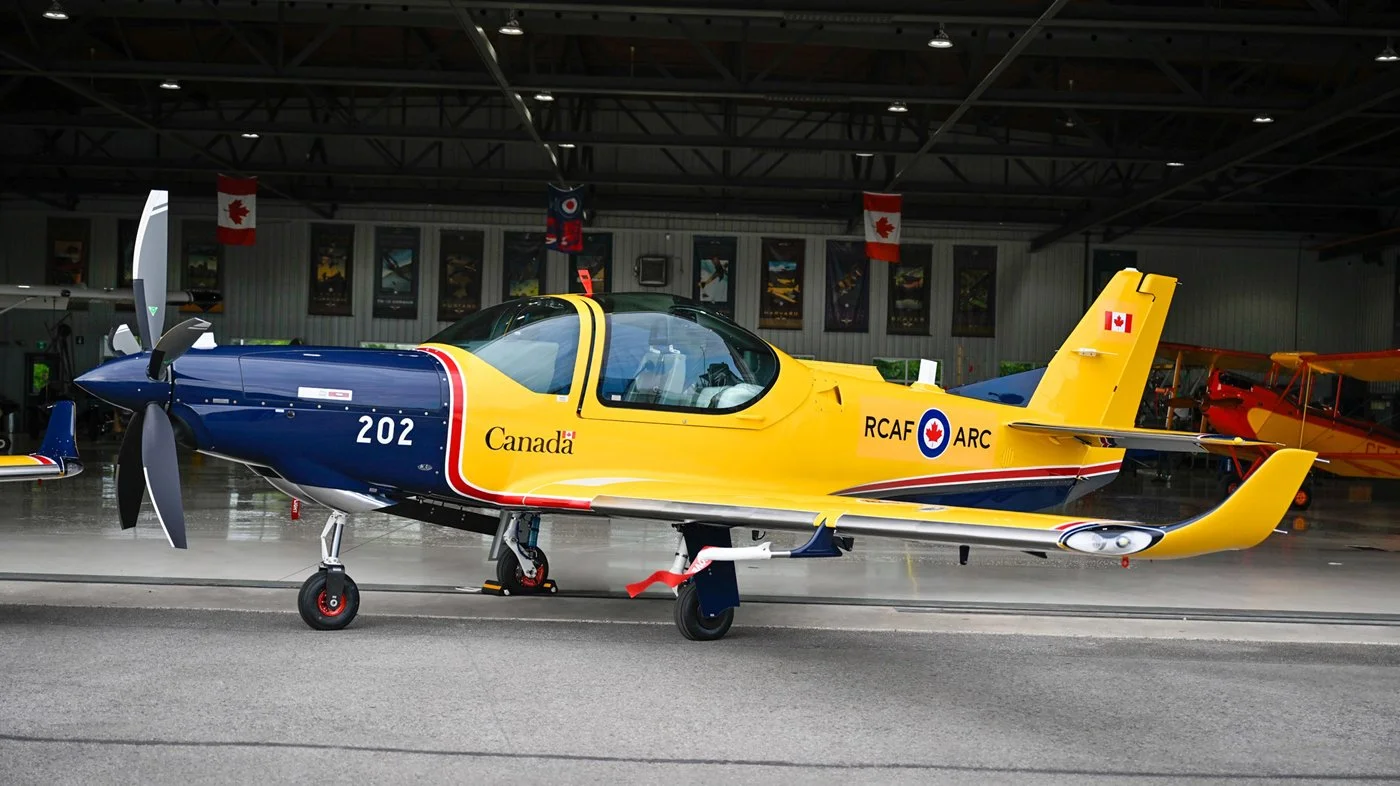
The CT-102B Astra II is the Future Aircrew Training (FAcT) program’s Basic Flying Training aircraft.
The changes are very exciting. The new trainer, with many enhancements, replaces an old trainer. Eventually, a fleet of 23, CT-102B Astra II Trainers will be based at 15 Wing Moose Jaw.
“… Basic Flying Training (will be) completed at 15 Wing Moose Jaw. Once fully operational, every pilot who earns their wings in the RCAF will have started on the CT-102B Astra II.” Government of Canada
The CT-102B Astra II has a Range of 1324 Km with a Maximum Speed of 454 Km/H. It is powered by the Rolls-Royce M250-B17F turbine engine that produces 456 horsepower.
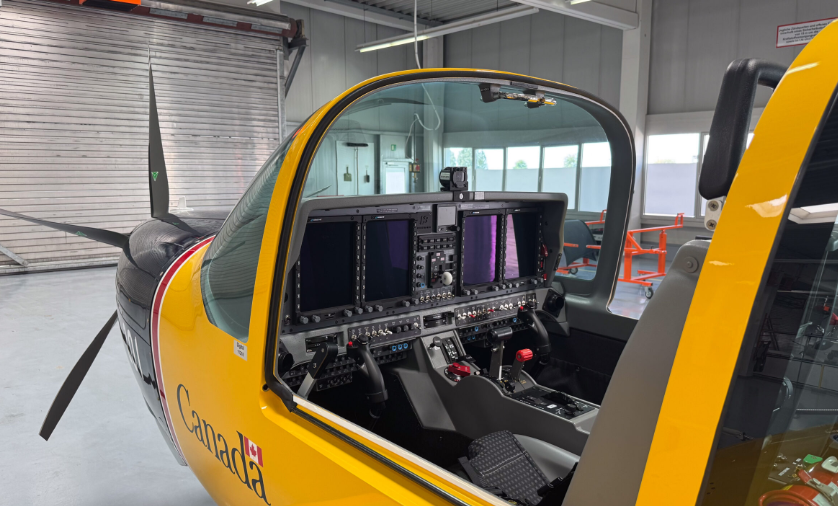
The cockpit of the CT-102B Astra II
The Old Days – Pilot Training in World War II
The 456 horsepower CT-102B Astra II is a far cry from the old, World War II basic pilot trainer – the 120 Horsepower DeHavilland DH82C Tiger Moth. It was the backbone of Elementary (Basic) Flying Training under the British Commonwealth Training Program.
Moose Jaw has been training pilots for 86 years. First pilot training in Moose Jaw was by the Moose Jaw Flying Club from their field near Rosedale Cemetery. They began training in the fall of 1939. The first class graduated in January 1940. The Club used the Tiger Moth. It was a stop-gap program until proper EFTSs were built and in operation.
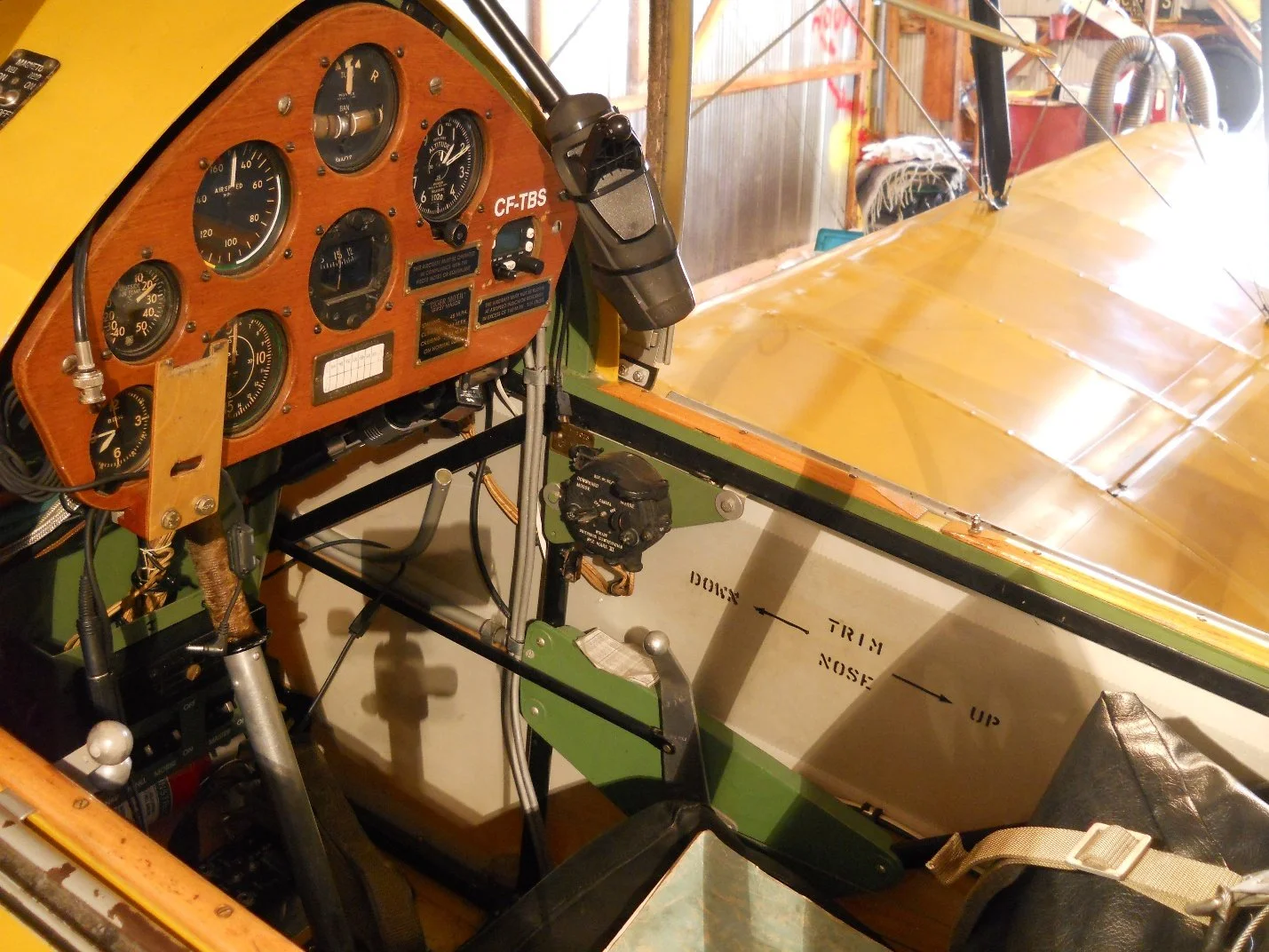
The cockpit of a WW 2 DeHavilland DH82C Tiger Moth
During WW II the 15 Wing Base at Moose Jaw was the home of the British, Royal Air Force No. 32 Service Flying Training School. That SFTS offered a 16-week course and trained future RAF pilots on ‘next level’ or second level aircraft after pilots had completed 40 to 50 hours solo flying on the old De Havilland DH82C Tiger Moth. The two common RAF trainers at No 32 SFTS, Moose Jaw during WW II were the Harvard and the Oxford Airspeed.
Locally, the RAF No 33 Elementary Flying Training School at Caron used the De Havilland DH82C. RCAF No. 15 Elementary Flying Training School in Regina also flew the Tiger Moth.
From what I understand the little CT-102B Astra II will be doing some of the work done by the old DH82C plus much, much more. Flying training today is more complex than in WW II.
I can imagine an old time WW 2 trainee pilots drooling over this new aircraft. Compare the cockpits.
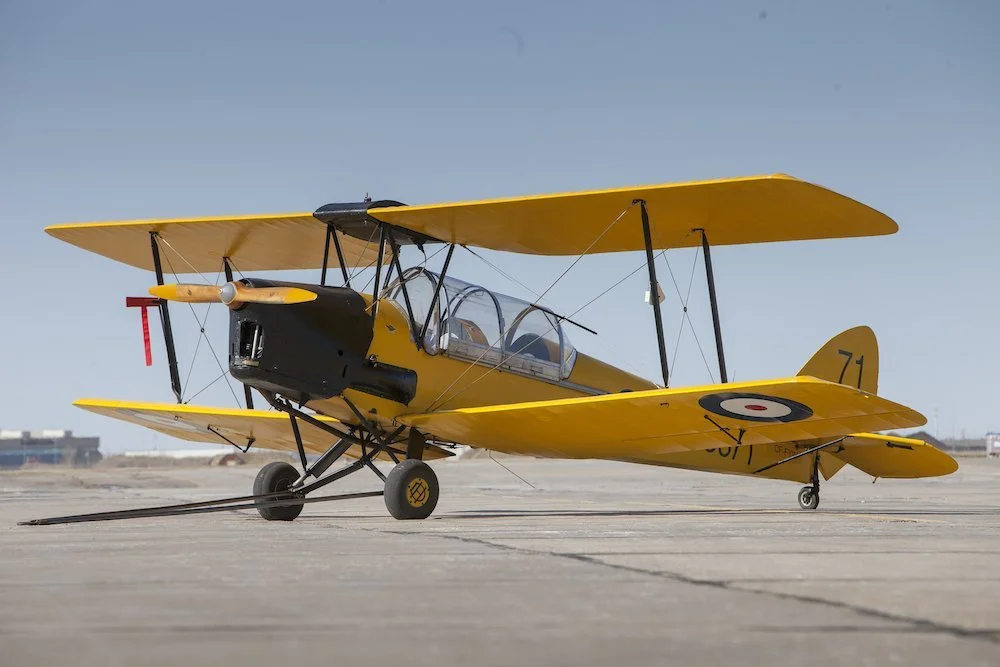
Saskatchewan Aviation MuseumDeHavilland DH82C
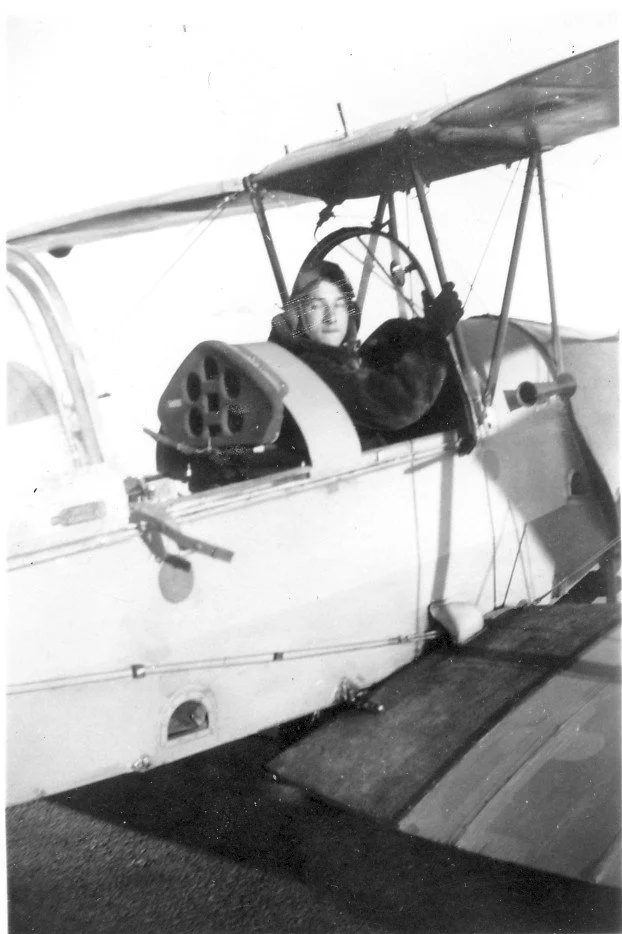
This is a 1941 photo of long-time Moose Jaw resident Flight Lieutenant (Captain) Al Seward in the cockpit of a Tiger Moth at No. 5 Elementary Flying Training School, High River Alberta.
After completing 50 hours of training on the Tiger Moth, Al was posted to No. 12 Service Flying Training School at Bandon, Manitoba where he flew Cessna Cranes and Ansons. He received his Wings in Brandon. Al Passed away in Moose Jaw in 2018.
Al loved to fly; had a full career in the RCAF and then flew Water Bombers until he retired at age 65. Flying was his life – just like our young Canadian pilots of today!
Programme Comparison – WW II and Now
In WW II Elementary Pilot Training was on the Tiger Moth. Upon completion the student was posted to a Service Flying Training School and trained on the Harvard or on multi-engine aircraft like the Oxford Airspeed or Cessna Crane. Wings were awarded after successful completion of the SFTS course.
Today, after completing Pilot Training on the CT-102B Astra IIin Moose Jaw, students will advance to the state-of-the-artPilatus PC-21, all part of the Future Aircrew Training Program (FAcT). A total of 19 Pilatus PC-21 training aircraft will be based at 15 Wing Moose Jaw. These aircraft should be arriving in the second half of 2026.
“A key aim for the PC-21 was to allow jet aircraft pilots to perform the majority of their training using the type before converting to jet-powered types…”.
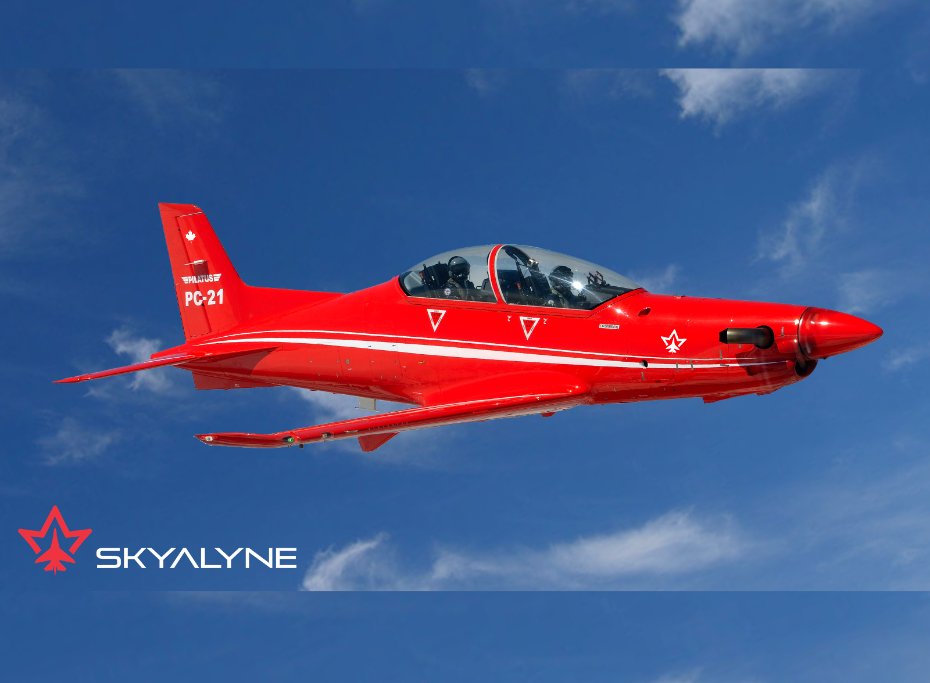
Photo Credit: SkyAlynethe Pilatus PC-21 training aircraft
Summary
These are very exciting times for the RCAF, the civilian contractors, 15 Wing Moose Jaw – and most of all, the people of Moose Jaw. Great to have all these folks amongst us!!
Writer Richard Dowson is a retired educator.
He is known for his frequenting local coffee shops and other places seniors gather.
In a previous life he wrote comedy for CHED in Edmonton.
His views may or may not reflect the views of this publication.